
NEWS
IOS4DOM Scientific Workshop: Bringing Marine Monitoring Technologies Together in Calpe
06/2024
In June 2024, the Spatial Marine Lab team gathered in Calpe, Spain, for the first IOS4DOM Scientific Workshop, a dedicated meeting to share methodologies, test new technologies, and strengthen collaboration across the different research lines of the project.
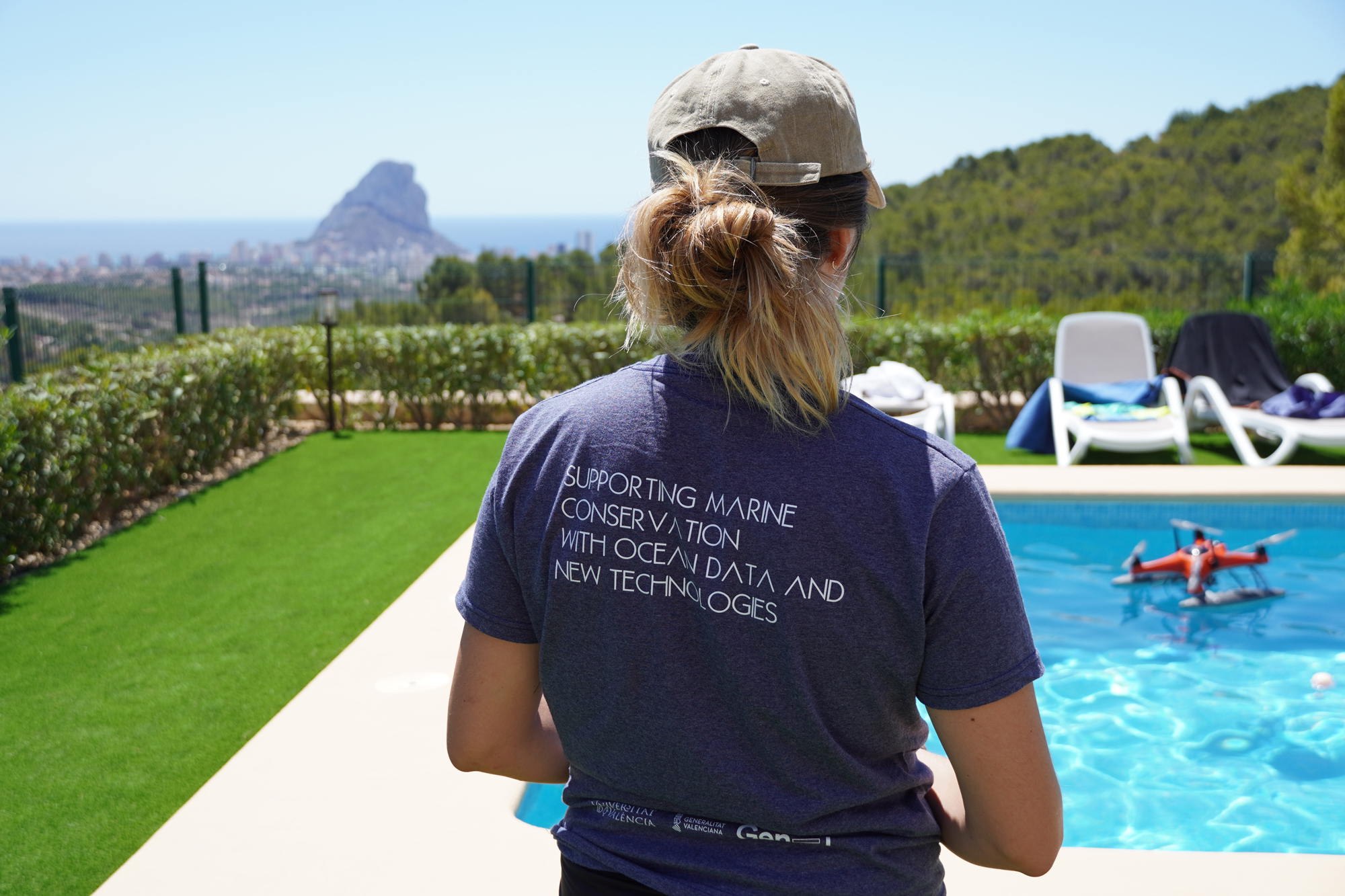
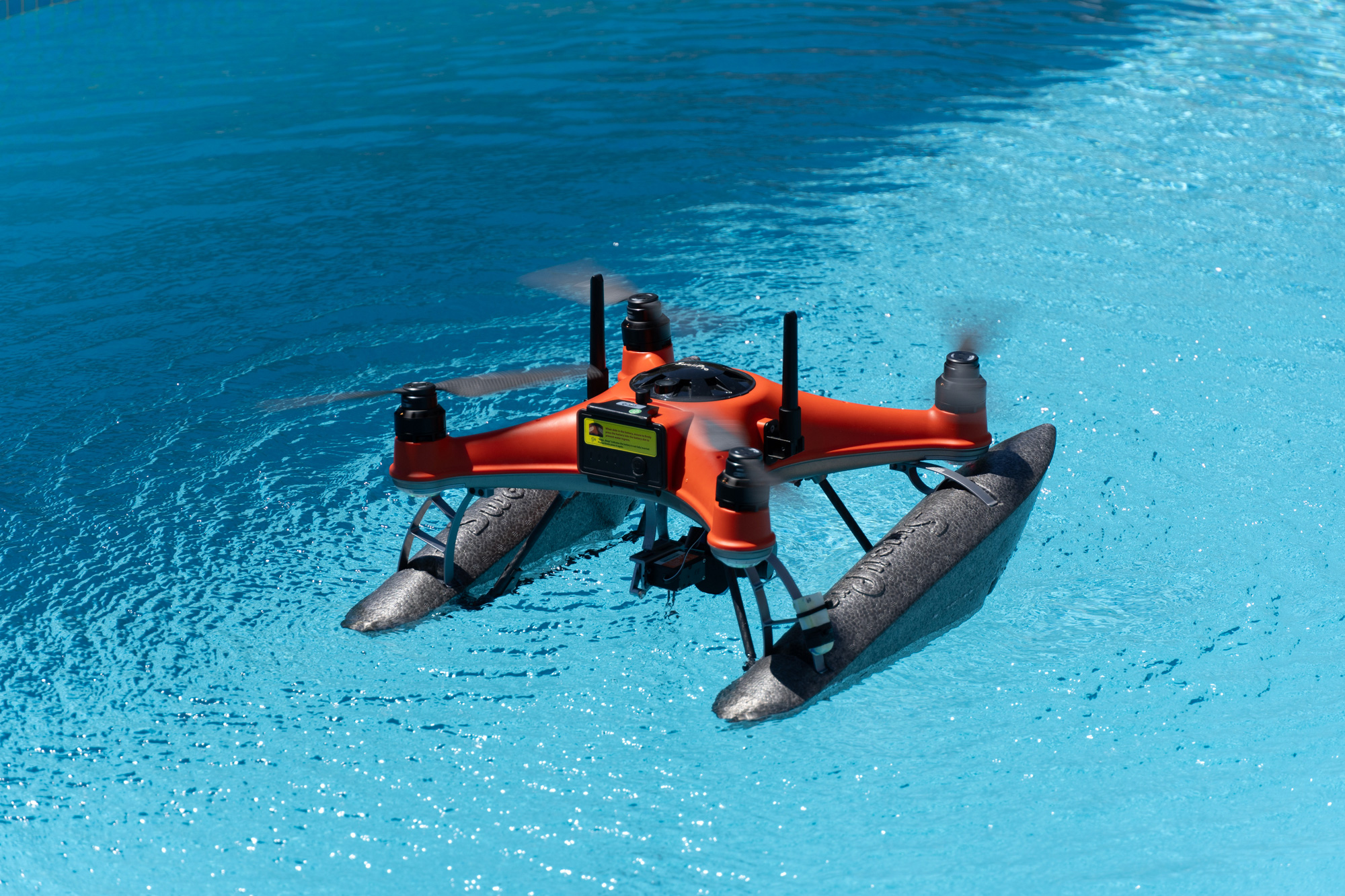
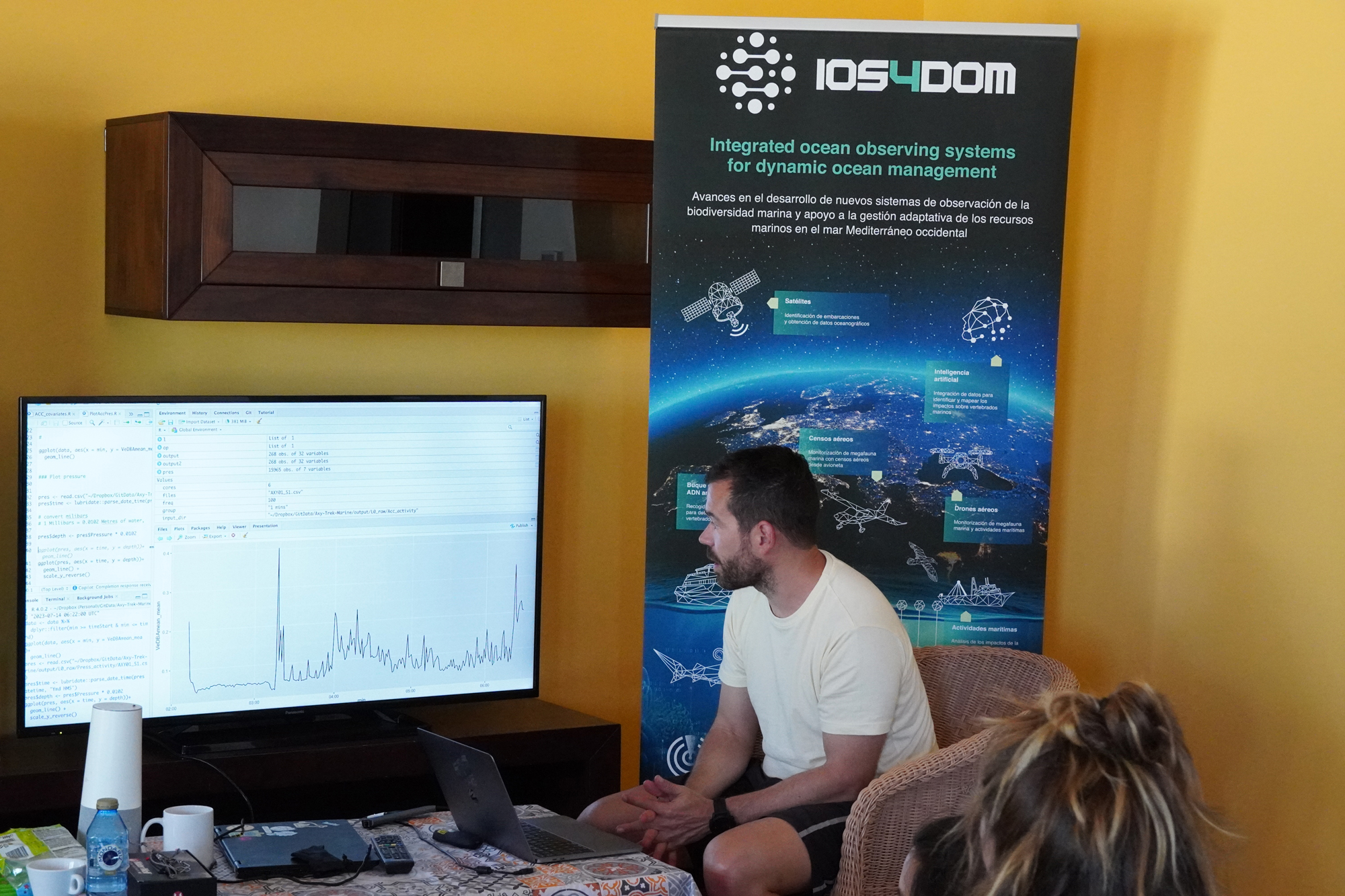
The workshop combined presentations, hands-on training, and field activities focused on emerging tools for marine ecosystem monitoring. Team members shared their expertise and practical experience with aerial and amphibious drones, accelerometers, hydrophones, and eDNA sampling methods, exploring how these technologies can be integrated to collect complementary information on marine biodiversity and the marine environment.
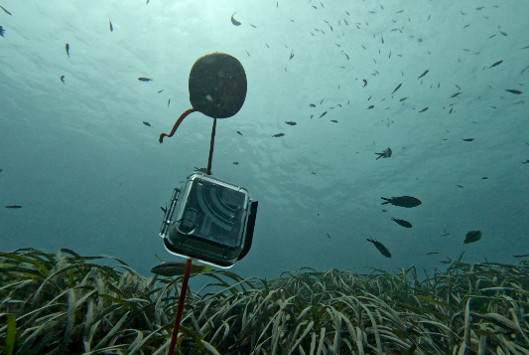
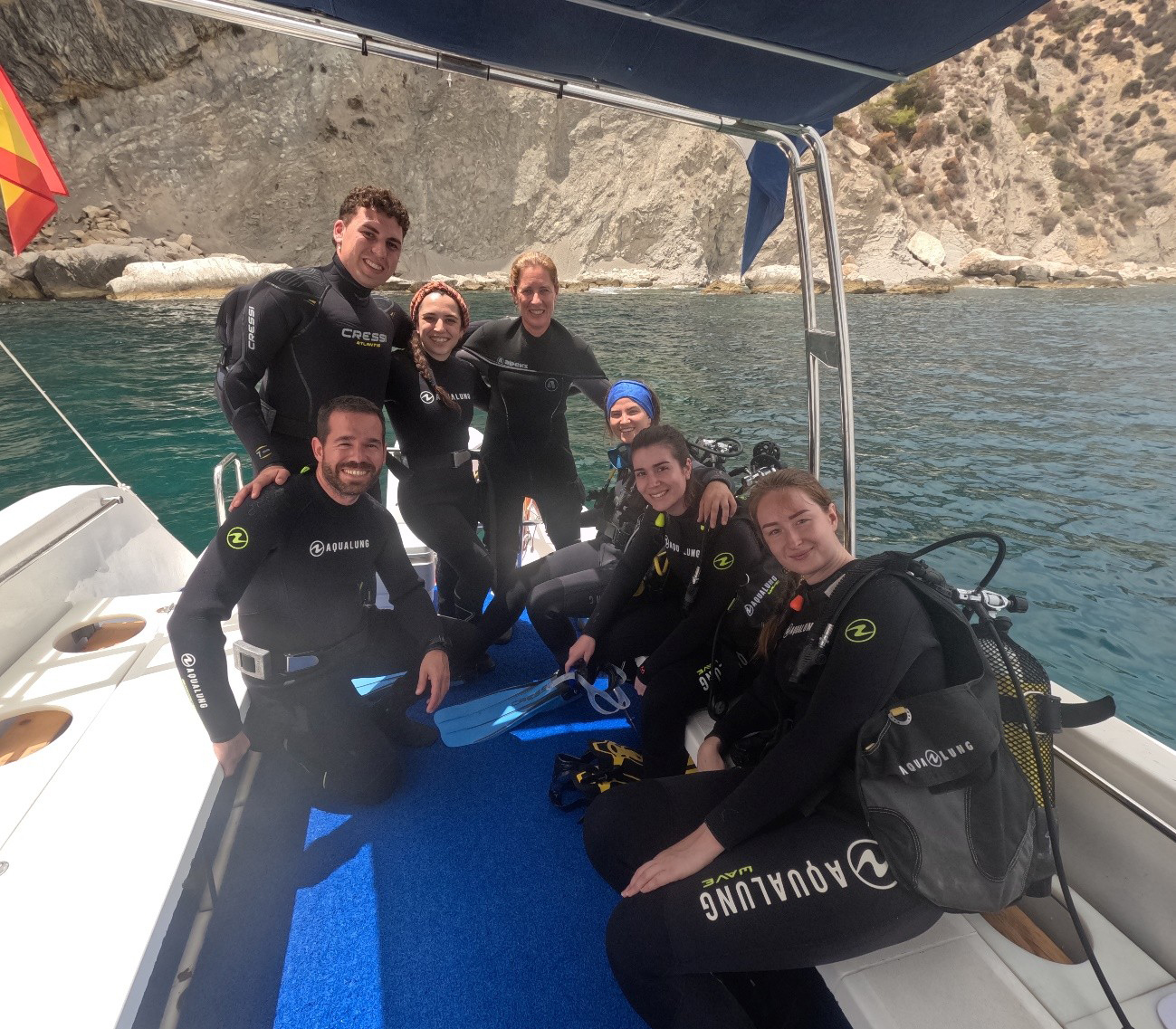
The workshop also included a scuba diving activity, where the team tested different approaches for combining visual observations with environmental DNA (eDNA) sampling. During the dive, the Metaprobe, a tool used to collect water samples for eDNA analysis, was tested alongside GoPro cameras to document the underwater survey and the species observed. This practical activity provided an opportunity to test protocols and instruments under field conditions and explore how different monitoring methods can complement each other.
Beyond testing individual technologies, one of the main objectives of the workshop was to connect the different strands of research within the Spatial Marine Lab. By bringing together expertise in molecular techniques, bioacoustics, animal movement, robotics, and visual monitoring, the workshop fostered a more integrated approach to marine observation.
This multidisciplinary perspective is at the core of IOS4DOM, which aims to develop innovative and cost-effective observing systems capable of combining different data sources to improve our understanding and management of marine ecosystems.
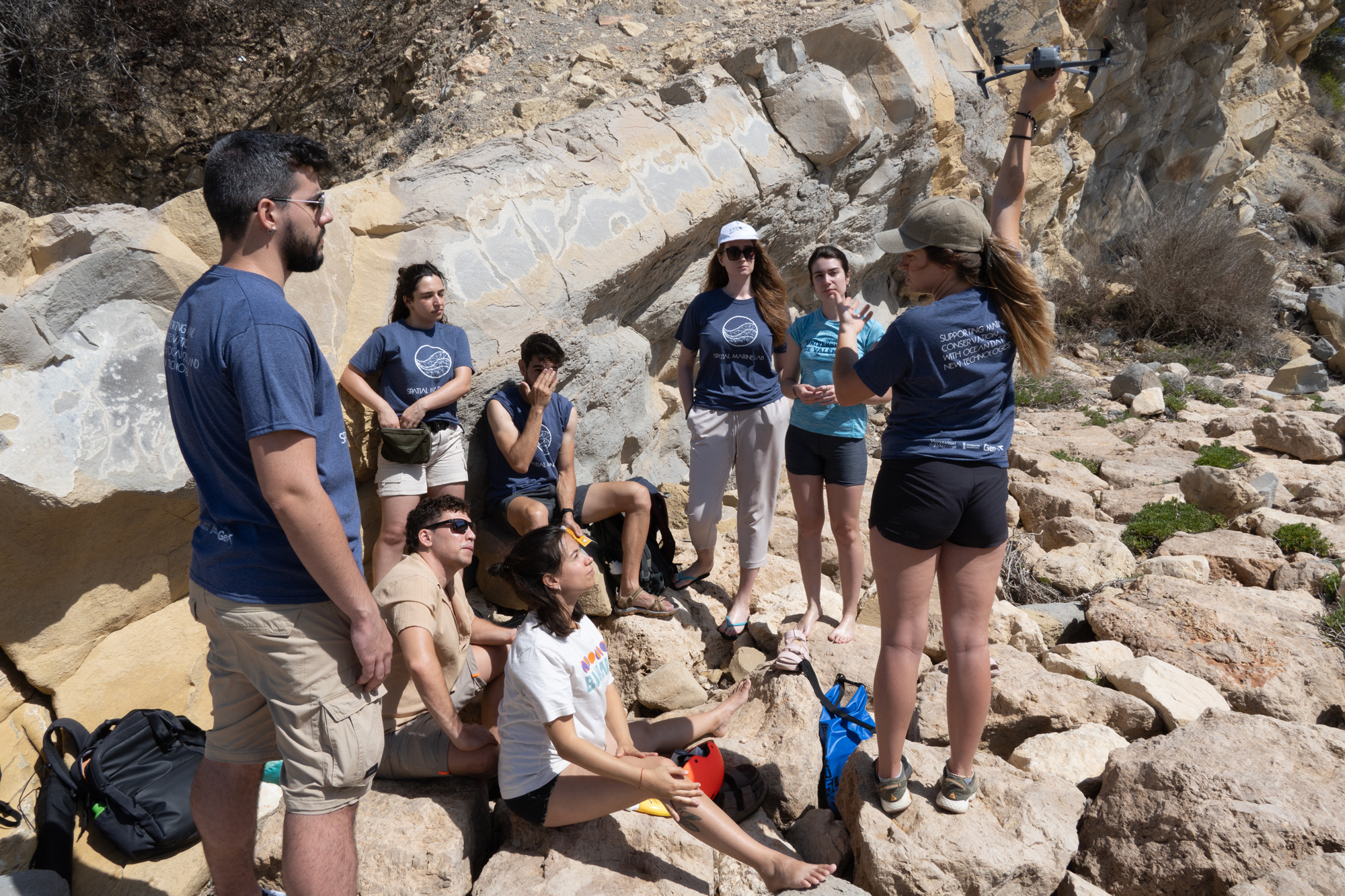
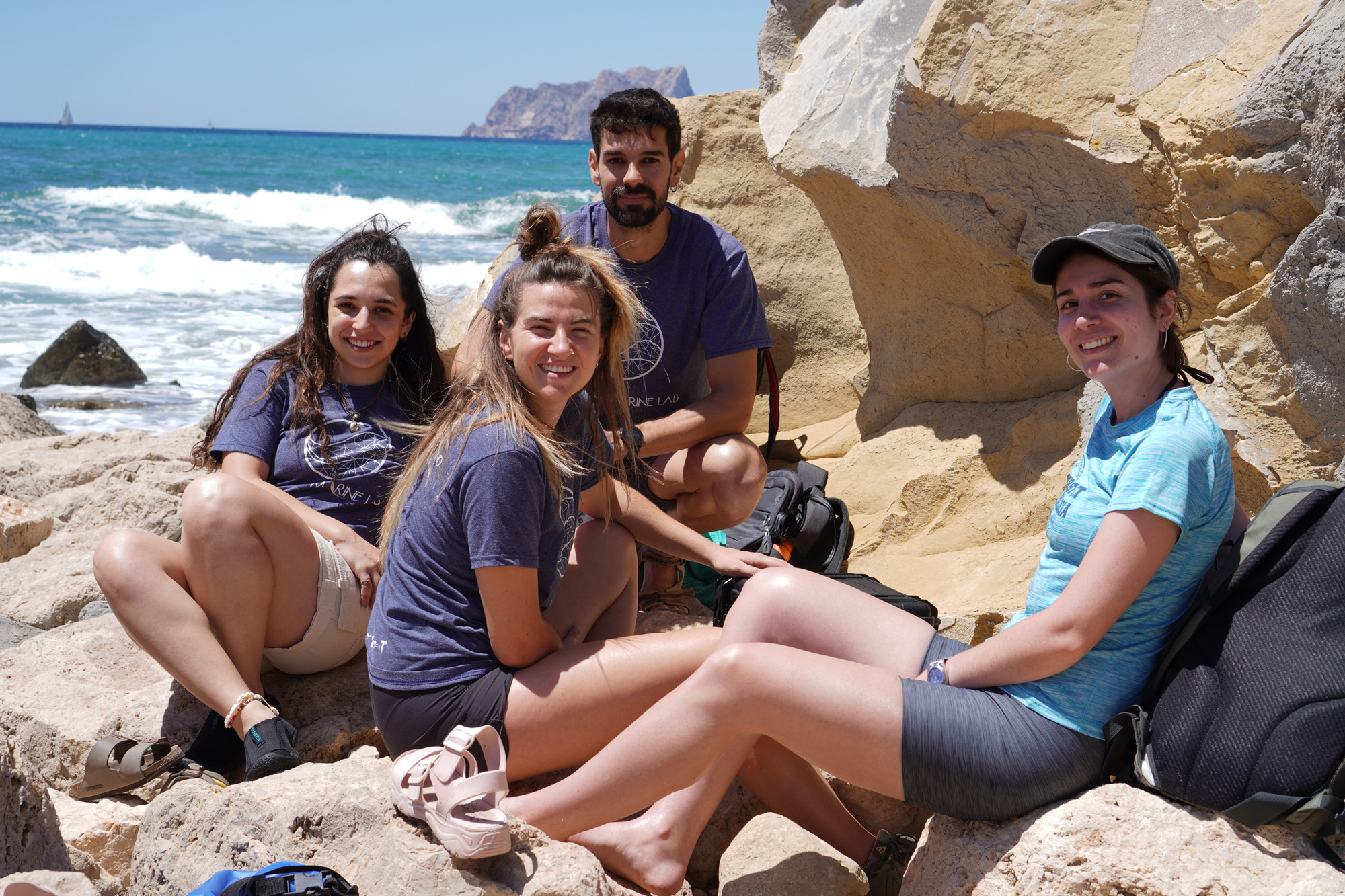
The Calpe workshop also provided an opportunity for the team to strengthen collaboration in a relaxed environment, combining scientific exchange, fieldwork, and time together outside the office. Bringing science and team-building together helped foster closer connections between researchers and provided a valuable space for sharing knowledge, ideas, and perspectives across the project.
Posted by:

Irati Abascal Zúñiga
Research Technician